

What Is Hot Aisle Containment?
Hot aisle containment is a method of separating hot exhaust air from cooled supply air inside a data center. By preventing these two air streams from mixing, containment systems help improve cooling efficiency, support higher rack densities, and create a more predictable operating environment for IT equipment.
Rather than allowing warm air to circulate throughout the room, hot aisle containment captures server exhaust and directs it back to the cooling system. This simple concept has become one of the most effective ways to improve airflow management in modern data centers.
How Hot Aisle Containment Works
Every server continuously pulls cool air through the front of the rack and exhausts heated air out the back.
Without containment, this hot air can mix with the surrounding cooled air before returning to the cooling equipment. The result is inconsistent temperatures, reduced cooling efficiency, and unnecessary energy consumption.
Hot aisle containment solves this by physically enclosing the hot aisle, allowing the cooling system to manage two distinct air streams:
- Cold Supply Air — Delivered to the front of the server racks.
- Hot Exhaust Air — Captured behind the racks and returned to the cooling system.
By maintaining this separation, cooling equipment can operate more efficiently while delivering conditioned air exactly where it is needed.
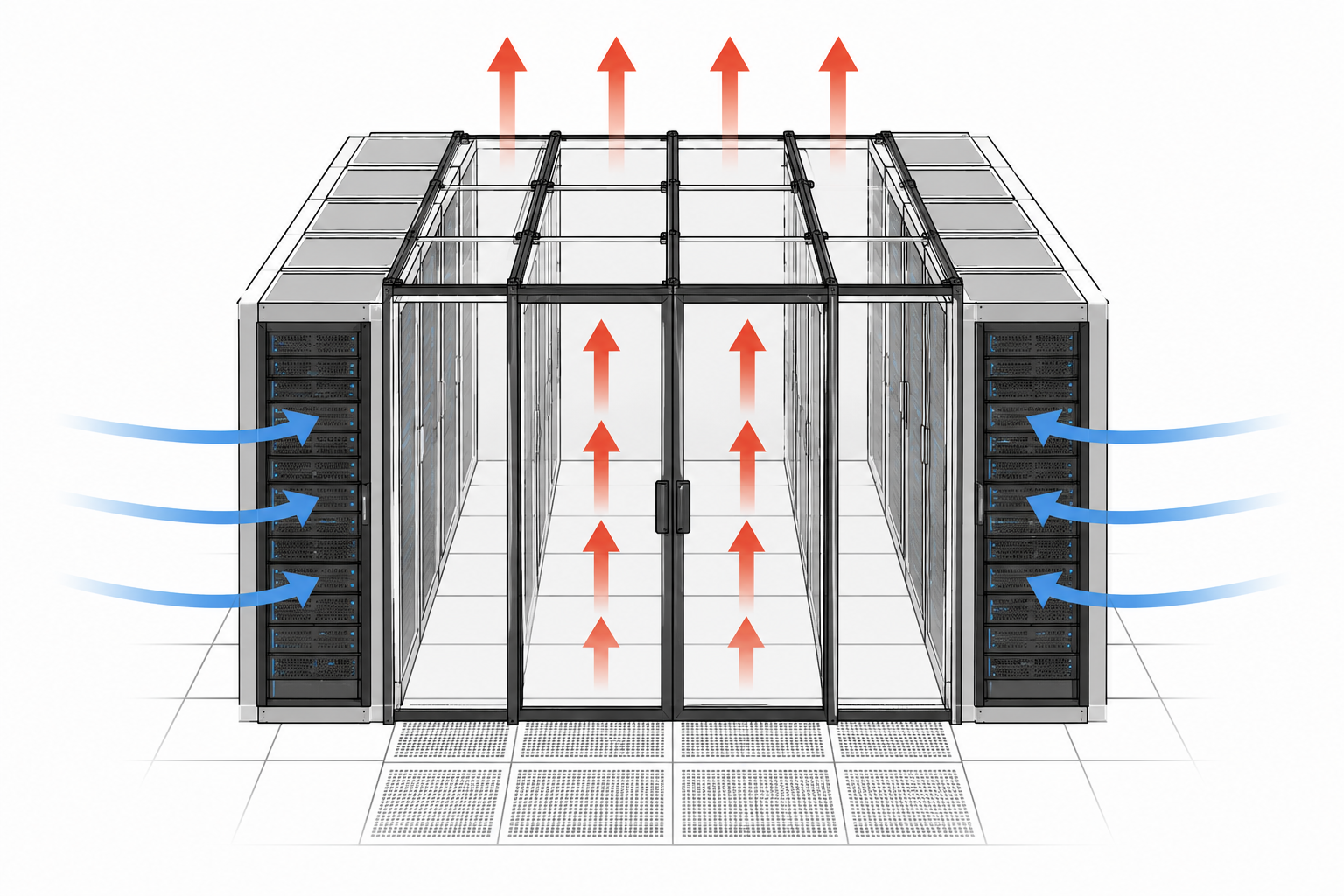
Technical Insight
The goal of hot aisle containment isn't to create colder temperatures—it is to prevent hot and cold air from mixing. Better airflow management allows cooling systems to operate more efficiently while maintaining consistent inlet temperatures at the server racks.
Why Air Separation Matters
One of the greatest challenges in any data center is controlling airflow.
When hot exhaust air mixes with conditioned supply air, cooling equipment must work harder to maintain the desired temperature. Even relatively small amounts of air mixing can reduce overall system efficiency.
Separating these two air streams offers several advantages:
| Benefit | Why It Matters |
|---|---|
| Improved Cooling Efficiency | Reduces unnecessary mixing of conditioned and exhaust air. |
| More Consistent Rack Temperatures | Helps deliver conditioned air where servers need it most. |
| Higher Rack Density Potential | Supports environments with greater heat loads. |
| Reduced Energy Consumption | Cooling systems operate more effectively when airflow is controlled. |
| Easier Future Expansion | Modular containment systems can often be expanded as requirements change. |
The Key Components of a Hot Aisle Containment System
Although every facility is different, most hot aisle containment systems share several common components working together to create an effective airflow barrier.
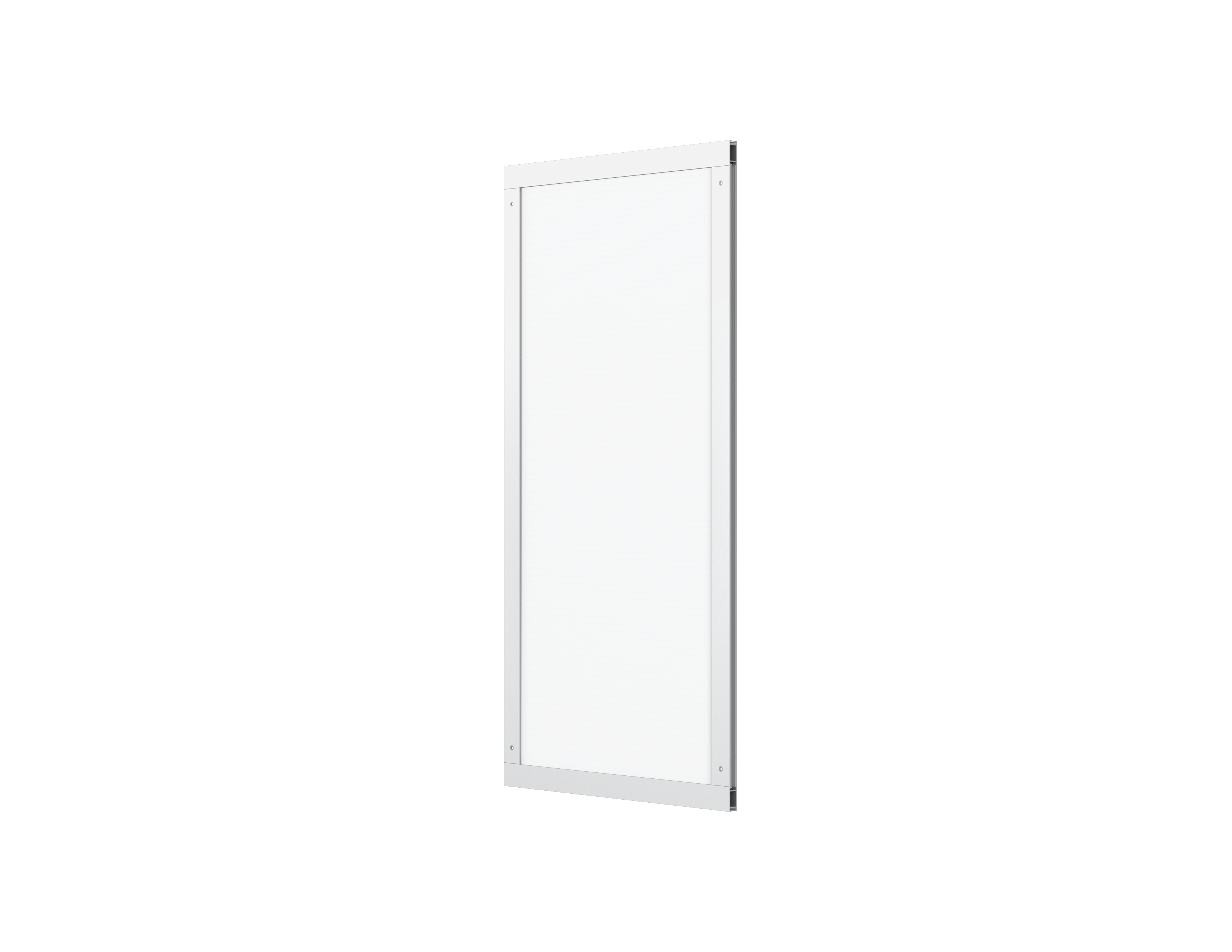
Sliding Access Doors
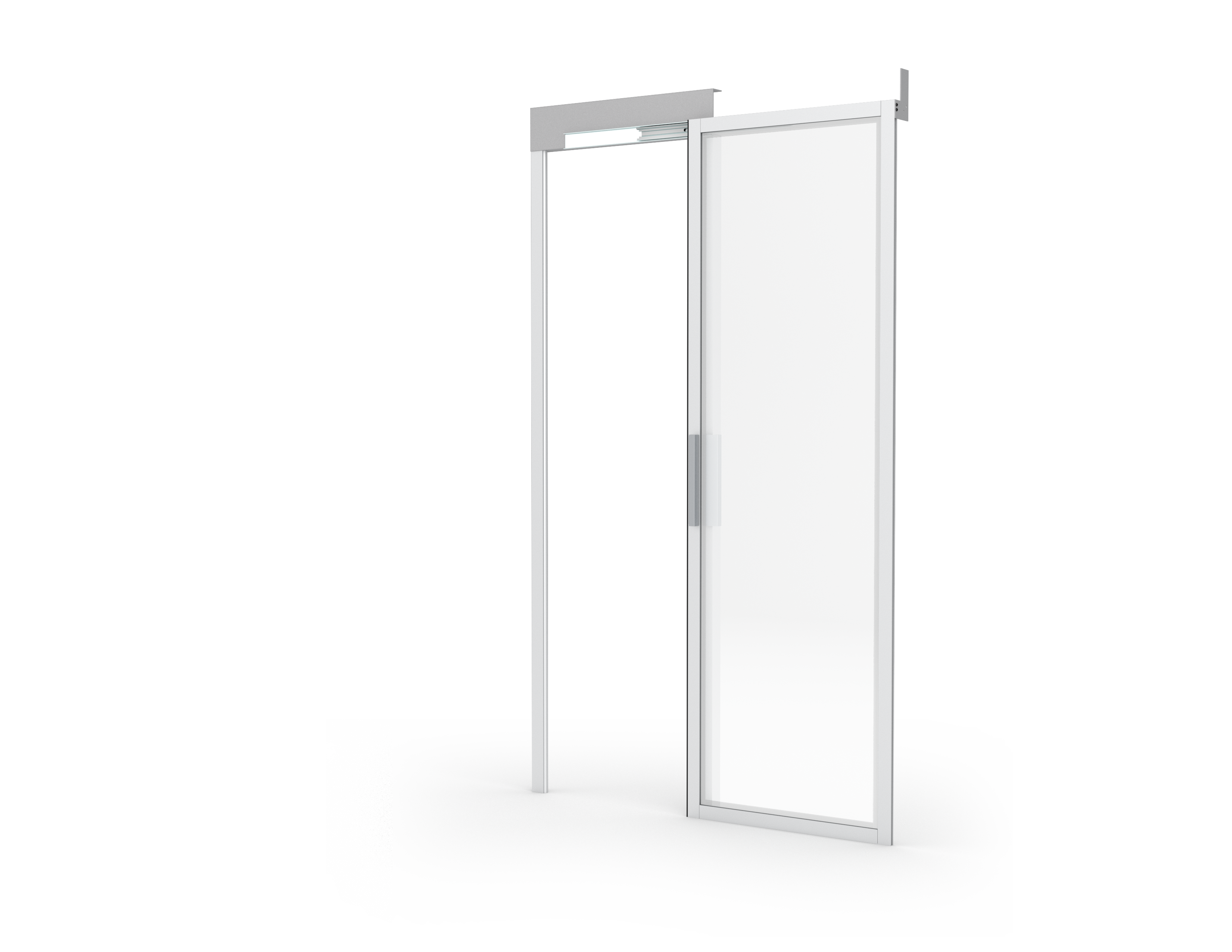
Doors provide controlled access to the contained aisle while maintaining the separation between conditioned supply air and hot exhaust air.
Sliding doors are often selected where aisle space is limited or where frequent personnel access is expected.
Related Reading: Hinged vs. Sliding Air Containment Doors
Ceiling Panels
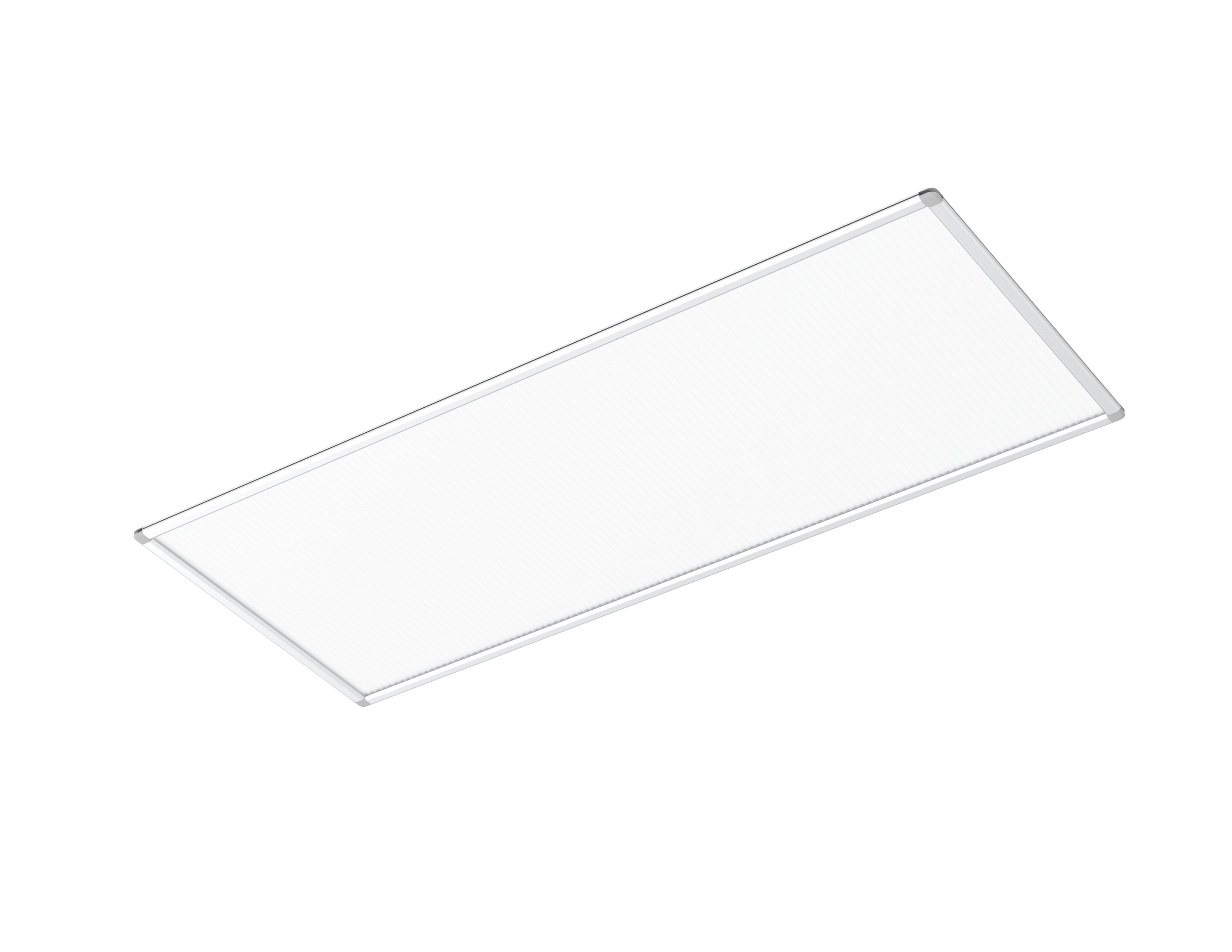
Ceiling panels complete the enclosure above the hot aisle.
Without an overhead barrier, heated exhaust air can escape upward and mix with conditioned supply air before reaching the return system.
By sealing the top of the aisle, ceiling panels help maintain a controlled airflow path throughout the containment system.
Modular Wall & Panel Systems

Containment systems are more than doors and ceilings.
Wall panels, structural framing, and modular barrier components help create a continuous enclosure while allowing systems to be adapted to different rack layouts and facility requirements.
Because every data center presents unique challenges, modular components can simplify installation while allowing future modifications as equipment layouts evolve.
Where Hot Aisle Containment Is Used
Hot aisle containment is commonly used in facilities where airflow management and cooling efficiency are priorities.
Applications include:
- Enterprise data centers
- Colocation facilities
- Cloud computing environments
- AI and high-performance computing deployments
- Government and institutional facilities
- Retrofit projects within existing data centers
Containment systems may be incorporated into new construction or added to existing facilities as cooling demands increase.
Hot Aisle vs. Cold Aisle Containment
Both approaches are designed to separate hot and cold air, but they achieve this in different ways.
| Hot Aisle Containment | Cold Aisle Containment |
|---|---|
| Encloses the hot exhaust aisle. | Encloses the conditioned supply aisle. |
| Captures heated air before it mixes with cooled air. | Protects conditioned air before it reaches equipment. |
| Often used with overhead return systems. | Often selected when protecting supply air is the priority. |
The appropriate approach depends on the facility's cooling strategy, existing infrastructure, and operational requirements.
Choosing the Right Containment Components
While the principles of airflow management remain the same, containment systems are rarely identical.
Factors such as rack dimensions, ceiling height, equipment layout, and future expansion plans all influence the design of a containment solution.
Selecting the right combination of doors, ceiling panels, framing, and enclosure components helps ensure the containment system integrates with both current operations and future facility needs.
Frequently Asked Questions
Does hot aisle containment reduce energy consumption?
By reducing unwanted air mixing, containment allows cooling systems to operate more efficiently. Actual energy savings depend on factors such as facility design, cooling equipment, operating temperatures, and existing airflow management practices.
Can hot aisle containment be added to an existing data center?
Yes. Many containment systems are designed to be retrofitted into existing facilities, allowing operators to improve airflow management without constructing a new data center.
What components make up a typical containment system?
While every installation is different, common components include access doors, ceiling panels, structural framing, wall or barrier panels, and hardware that creates a continuous containment envelope.
Conclusion
Hot aisle containment has become a widely adopted approach for improving airflow management in modern data centers. By separating hot exhaust air from conditioned supply air, containment systems help create more predictable cooling performance while supporting the growing demands of today's IT environments.
Whether incorporated into a new facility or added during a retrofit, a well-designed containment system can play an important role in improving operational efficiency and supporting long-term infrastructure growth.
Continue Exploring
Related Resources
Looking for a Custom Air Containment Solution?
Testrite manufactures custom air containment systems and components, including sliding doors, ceiling panels, modular wall systems, and structural assemblies designed for data center environments.
Explore Our Data Center Air Containment Solutions